
Carpet Cleaning and Indoor Air Quality
Carpet gets blamed for a lot when it comes to the air inside a house, and most of the blame is misplaced. Carpet is a filter. It holds dust, dander and the things that drift through a room down in the pile, where they stay out of the air until the filter is full. The job is to empty it on a schedule, and to do that without leaving the floor wet. Here is how that works.
- Carpet traps dust, pet dander and dust mite allergen in the pile and holds them there until something takes them out.
- Vacuuming empties the top of the pile. A professional clean empties the rest.
- Our low-moisture process meters the solution, lifts the soil out on cleaning pads, and leaves the carpet dry in about an hour, so there is no damp carpet afterward.
- The allergy relief treatment is an add-on that breaks down the allergen proteins left in carpet and upholstery.
- Open the windows when you can, run the fans, and keep the schedule: a yearly clean, or twice a year in a house with pets or children.
Carpet is a filter, and filters fill up
Think about what a furnace filter does. Air passes through it, the dust stays in it, and after a few months it is gray and needs changing. Carpet does the same thing at floor level, without the air having to pass through it. Dust settles into the pile, dander drops off the dog and sinks in, and whatever comes in on shoes and clothes ends up at the bottom of the fibers.
A clean carpet is good at this. It holds far more than a bare floor, where the same dust lifts off again every time someone walks past. The trouble starts when the filter is full. A carpet packed with years of fine soil gives a little of it back with every step, and the room never feels quite clean no matter how much you dust.
So the aim is to keep the filter working, by emptying it before it fills. Vacuuming handles the top of the pile. A professional clean handles the rest.
What lives in the pile
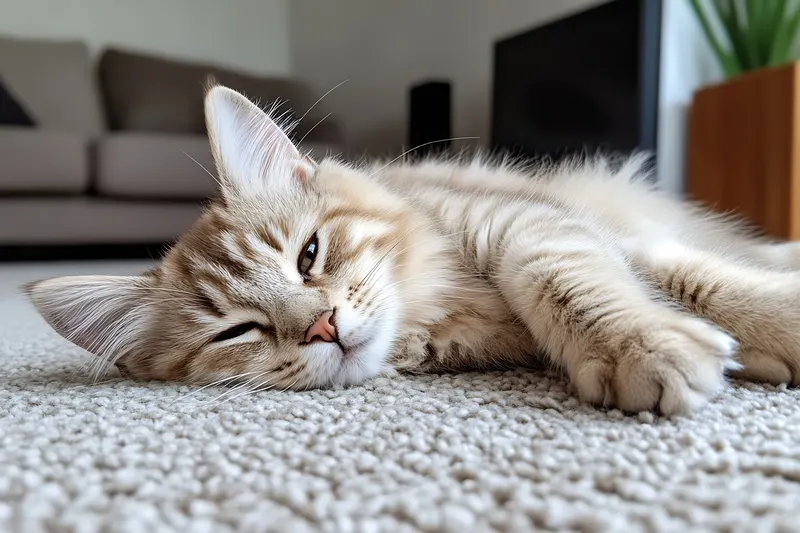
Most household dust is skin flakes, fabric fibers and fine soil. Pet dander, the flakes of skin a dog or cat sheds, joins it in any home with animals, and it is the dander, not the hair, that people usually ask us about. Hair sits on top and vacuums up easily. Dander is light, sinks deep and clings.
Dust mites live on those skin flakes. They are too small to see and they prefer warm, soft places: bedding, upholstery and carpet. It is not the mite itself that matters so much as what it leaves behind, a protein that stays in the fibers long after the mite is gone. Carpet that is vacuumed and cleaned on a schedule simply holds less of it.
What vacuuming does, and where it stops
A vacuum is the first line, and a good one makes a real difference. Look for a sealed body and a fine filter, so what goes in stays in, and empty the bin outside. Move slowly over the lanes and the places the pets sleep, overlap the passes, and go twice a week on the busy strips and once a week elsewhere.
Vacuuming stops where the oils start. Soil that has been pressed into the fibers and bonded by body oil, cooking film and whatever shoes carry does not lift with air alone, and the dander and allergen caught in that layer stay put with it. That bottom layer is what a professional clean is for.
What a professional clean takes out
Low moisture is the whole idea. A measured dose of solution goes on first to loosen the bonded soil down in the pile, then the technician works the carpet with cleaning pads that absorb that soil and lift it out. The pads are swapped out as the floor demands, and every used pad comes up showing what it took out: fine gray soil, dander, dust, the lot.
Nothing sticky is left in the fibers afterward. That matters for the air as much as for the look of the carpet, because a sticky residue is a magnet for the next month's dust. A carpet with nothing left in it holds its clean about three times longer than a soapy job, which means the filter stays empty longer too.
The solution is eco-friendly and non-toxic, and it is safe for kids and pets, which is the whole point of a clean that is meant to improve the room rather than add something to it.
Damp carpet is the thing to avoid
A cleaning method that soaks the carpet creates the one air problem carpet did not have before: a wet floor. Soapy wet cleaning pushes water through the pile into the padding, and only part of it comes back out. The carpet can stay damp for a day or more, the padding longer, and damp carpet in a closed house smells musty and feels unpleasant underfoot.
Our process meters the solution; nothing is poured. The pads bring most of it back out along with the soil, and the carpet is dry in about an hour. There is no wet padding, no fans running overnight and no musty smell the next morning, which is why this is the only way we clean, in every market we serve.
Ventilation while it dries
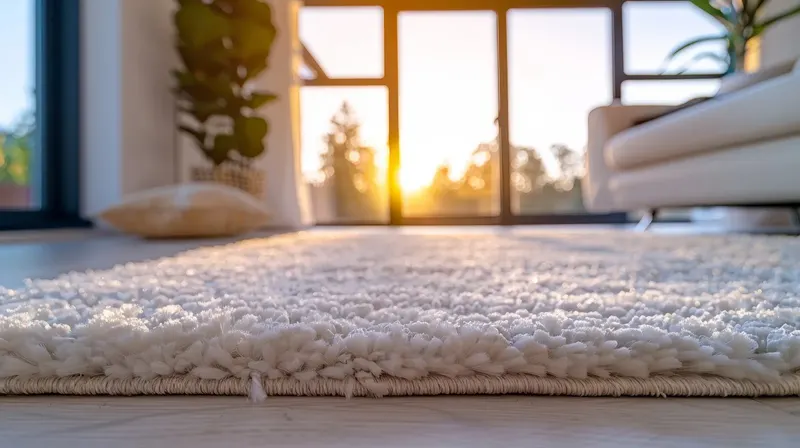
Moving air finishes the job faster. Open a window or two when you can, set the ceiling fans going, switch the fan on your thermostat from auto to on for the afternoon so the house air keeps circulating, and leave interior doors open. None of it is required; the carpet dries in about an hour on its own. It just makes the hour shorter and the house smell fresher sooner.
Walking on the carpet while it dries is fine in socks or clean bare feet. Keep shoes and pets off it until it is dry to the touch, and leave the furniture where the technician set it until then.
The allergy relief treatment
For some households, a clean carpet is not quite enough, and that is what the allergy relief treatment is for. It is an add-on applied after the clean, to carpet and to upholstery, and it works on the proteins in dust mite allergen and pet dander that the clean has not already lifted out. It breaks those proteins down in the fiber.
The people who ask for it are usually households where allergies or asthma are part of daily life, parents setting up a nursery, and homes with several pets. It is not a medical treatment and we do not sell it as one; it is a way to leave less of the stuff in the carpet. Most families who use it have it applied with every clean.
A schedule that keeps the filter empty
Vacuum the lanes and the pet spots two or three times a week and the rest of the house weekly. Have the carpet professionally cleaned once a year as a baseline, and twice a year in a house with pets or small children. Add the sofa and the mattresses to the visit, because they hold the same dust and dander, and bedding and mattresses are where dust mites are most at home.
Door mats and a shoes-off rule reduce what comes in to begin with. A home that does all of this has a carpet that is working as a filter should, catching what drifts down and holding it until the next clean.
How we leave the house
Dry in about an hour, with no smell of chemicals and nothing sticky in the fibers. The technician tours the rooms with you at the start and once more at the finish, you have a written price before any work begins, and the whole visit is covered by the same promise as always: love the clean or it's free. The process is described in detail on our carpet cleaning page, and our guide to how often to clean sets the schedule by household. Book online or call 205-438-9096.
Indoor air questions
Does carpet make the air in a house worse?
Not on its own. Carpet works as a filter: it catches dust, dander and dust mite allergen and holds them down in the pile, where a bare floor would let them lift off again with every step. The problem is a full filter. Carpet that is vacuumed often and professionally cleaned on a schedule keeps holding what it catches; carpet that is never emptied gives some of it back.
What does a professional clean actually take out of the carpet?
The layer vacuuming cannot reach: fine soil that body oils and cooking film have bonded to the fibers, and the dander, dust and dust mite allergen caught in that layer. A measured amount of solution loosens it, cleaning pads absorb it and carry it out, and each used pad shows the gray it took with it. Nothing sticky is left to catch the next month's dust.
Should I open the windows while the carpet dries?
If you can, yes. Moving air shortens the drying time and freshens the room, so open a window, run the ceiling fans and set the thermostat fan to run for the afternoon. None of it is required; the carpet is dry in about an hour either way. Keep pets and shoes off the carpet until it is dry to the touch.
Is the cleaning solution safe around kids and pets?
Yes. The solution is eco-friendly and non-toxic, and because the process is a low-moisture one, nothing sticky remains in the carpet for a toddler or a dog to get on their hands and paws. The carpet is dry in about an hour, so there is no wet floor to keep children and pets away from for the rest of the day.
What is the allergy relief treatment, and when is it worth adding?
It is an add-on applied after the clean, on carpet and on upholstery, and it breaks down the proteins in dust mite allergen and pet dander left in the fibers. It is not a medical treatment. Households where allergies or asthma are part of daily life, homes with several pets and parents setting up a nursery are the ones who usually add it, most of them with every clean.
Satisfaction guaranteed on every visit.
Low-moisture deep clean, dry in about an hour · Love the clean or it's free.