
Low-Moisture vs Steam Cleaning: An Honest Comparison
Steam cleaning is the method most people picture when they think of carpet cleaning, so the first question we get about our low-moisture process is what the catch is. There is no catch, but there are real differences, and they show up in how long the carpet stays wet and in how soon it looks dirty again. This guide lays both methods out plainly, including the jobs where a wet method is the right call.
- Steam cleaning sprays heated water and detergent into the carpet and vacuums part of it back out. Some water and some soap stay behind.
- Low-moisture cleaning frees the soil with a small, measured amount of solution, and absorbent cleaning pads lift it out. Very little goes in, so very little has to dry.
- Dry time is the difference you feel first: many hours for steam, about an hour for low-moisture.
- Soap left in the fibers is sticky and attracts dirt. Our process leaves nothing sticky, so the clean lasts about three times longer than a soapy wet clean.
- A carpet that has been soaked through by a leak needs a drying and restoration company, not a cleaning company of either kind.
What steam cleaning actually is
The name is older than the method. Very little steam is involved in a modern steam cleaning; the machine mixes heated water with a detergent, sprays it into the carpet under pressure, and a vacuum then draws as much of that dirty water as it can back out. The soil leaves the carpet dissolved in that water, which is why the method needs so much of it.
Done carefully, it can clean well. The trouble is in the word "part". No vacuum recovers all the water it put down, so some stays in the fibers and soaks into the padding underneath, and if the rinse is rushed, the detergent stays with it. The carpet then dries slowly from the top down, and the soap dries into a film on the fibers.
How low-moisture cleaning works
Our process starts where the dirt is. The technician vacuums the room, pre-treats the traffic lanes and any spots, then applies a measured dose of cleaning solution, enough to break the bond between the soil and the fiber and no more. The solution reaches the base of the pile, where tracked-in grit and oily film collect.
Absorbent cleaning pads then run over the carpet, and the loosened soil transfers out of the fibers and into the pads. Once a pad is loaded, the technician swaps in a clean one, and a hard-used hallway can use several. Every used pad shows you exactly what left your floor.
Nothing stays behind to attract the next week's dirt, and with so little moisture in the carpet, the room is dry in about an hour. The solution is non-toxic and eco-friendly, and it is safe around children and pets.
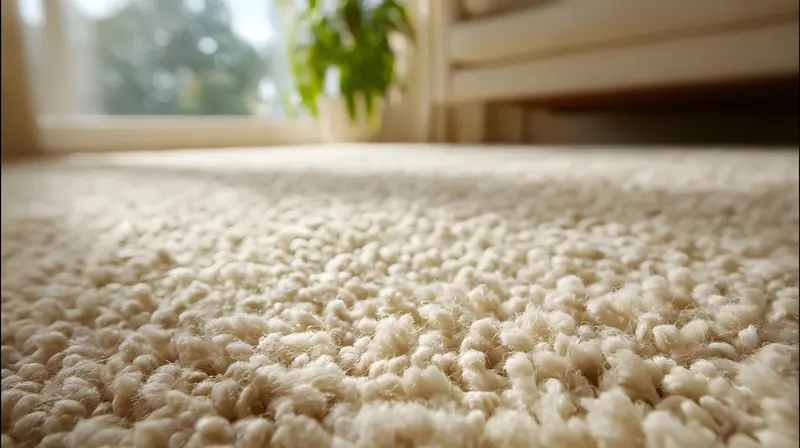
Dry time: about an hour, or most of a day
This is the difference every customer notices. After a low-moisture clean the carpet is dry in about an hour, the furniture goes back, and the kids and the dog have the room that afternoon. After a steam cleaning the carpet is wet to the touch for hours and sometimes overnight, with fans running and everyone stepping around the damp rooms in the meantime.
Some homes make the wait longer still. A finished basement, a closed-up guest room, a thick carpet over dense padding or any room with little air movement can keep a wet-cleaned carpet damp until the following day, and carpet that stays damp that long often picks up a sour, stale smell. If your home is one that takes a long time to dry, a method that barely wets the carpet is the better fit, and it is a reason customers often give us for switching.
Residue, and why cleaned carpet goes dull again
The other difference takes a few weeks to appear. Detergent left behind by a rushed rinse dries into a faint, tacky coating on every fiber it touched. That coating grabs a little dirt from every shoe and paw, so the traffic lanes gray over far sooner than they should, and the next cleaning adds a fresh layer of soap on top of the last.
Our method puts the soil into the pads and carries it out the door. The fibers are left clean and bare, with nothing on them that dirt can grab, which is why our customers get about three times the life out of a clean compared with a soapy wet one. Fewer cleanings for the same result is a quiet saving most people never think to count.
Both methods at a glance
| Low-moisture (our method) | Steam cleaning | |
|---|---|---|
| How the soil leaves | Loosened by a measured dose of solution, absorbed into cleaning pads | Dissolved in sprayed water, partly vacuumed back out |
| Water left in the carpet | Very little | Whatever the vacuum could not recover |
| Drying time | About an hour | Several hours to overnight |
| Left in the fibers | Nothing sticky | Detergent film, if the rinse was rushed |
| How long it stays clean | About three times longer than a soapy wet clean | Depends on how much soap stayed behind |
| Old spills wicking back | Rare, since little moisture reaches them; covered by a free return visit | Common, as deep water rises during drying |
| Room back in use | The same afternoon | Once fully dry |
Read the table fairly. A careful steam cleaning from a thorough crew can look very good on the first day. The gap opens afterward, in the drying and in how long the look holds.
When a wet method is the right tool
We would be the wrong people to pretend water never has a place. A carpet that has been soaked through by a leak, a burst pipe or an overflowing tub is not a cleaning job at all; it is a drying job, and it belongs to a restoration company with the equipment to dry the padding and the floor beneath it. We clean carpet. We do not dry out soaked rooms, and no cleaning method of either kind should be sold to you for that.
Heavy flushing also has a place in a rug plant, where certain rugs are washed in a bath and dried under controlled conditions. That is a different service from what happens on your floor. For the carpet in your home, the question is simpler: how much water does the job need, and the honest answer is very little.
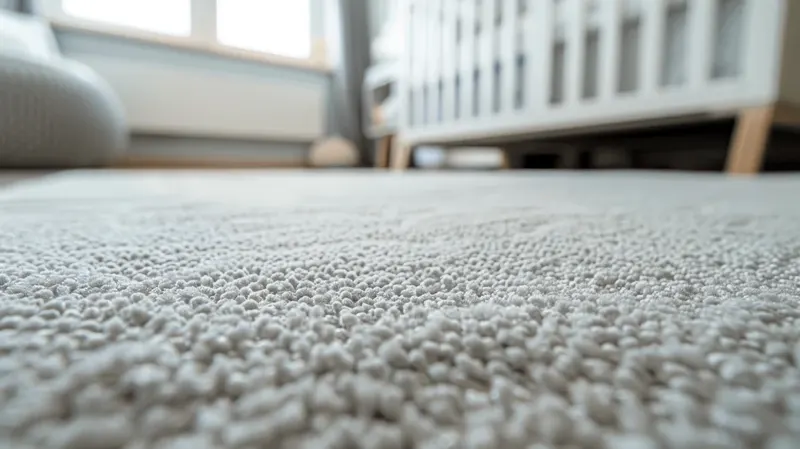
Walking on the carpet afterward
After a low-moisture clean, socks are fine right away and everything else waits about an hour. Then shoes, pets and furniture can all come back. Where a wood or metal furniture foot must go back before the hour is up, a small tab under it keeps any mark from forming.
After a steam cleaning, wait until the carpet is dry all the way through before furniture goes back, and keep pets off it until then. Damp carpet marks easily under weight, and a dog who lies on it will carry the moisture around the house.
Three things people get wrong
"The more water, the deeper the clean"
Water is only the carrier. Cleaning happens when the soil is loosened and then taken out of the carpet, and extra water adds drying time without adding cleaning. A measured dose that reaches the base of the pile does the job; pouring more in just leaves more to dry.
"If it dries fast, it only cleaned the top"
Fast drying is the result of putting less in, not of reaching less far. The solution goes to the bottom of the pile, the pads pull the soil up from there, and the proof is on the pads.
"Low-moisture is just dry cleaning"
Real moisture is involved; a small, controlled amount of solution goes on, and the cleaning pads carry it and the soil back out. The method is low-moisture, not no-moisture, and that small amount is what makes the hour-long dry time possible.
Picking the method for your house
- You need the rooms back today. Low-moisture. Guests arriving, a move-out, a toddler who will not stay off the floor, a workplace that reopens first thing tomorrow.
- Your carpet dulls again within weeks of every cleaning. Soap from earlier cleanings is the usual cause, so choose a method that will not add more.
- Your home dries slowly. A basement, a closed room, thick carpet over dense padding: pick the method that barely wets it.
- You are set on a rinse. Choose a steam cleaning company that does a thorough rinse and gives you an honest drying estimate.
Whichever way you lean, the person matters more than the machine. Ask who is coming, get the price in writing and get the guarantee in writing too. Our guide on choosing a carpet cleaning company lists the questions, and if a rental machine is on the table instead, read DIY vs professional cleaning first.
Why we clean the low-moisture way
We chose this method because it gives our customers the two things they tell us matter most: a carpet that stays clean longer, and a home they can use again the same afternoon. The technician who does the work is our own trained, insured employee, the price is in writing before anything starts, and you walk the rooms with the technician before the cleaning and again after it.
Our 100% satisfaction guarantee stands behind every visit: a free re-clean of whatever you flag, and no charge at all if a second visit still cannot get it right. A spot that rises back up after the carpet dries gets a return trip at no cost. See the carpet cleaning page for the visit step by step, book online for any of our seven markets, or call 205-438-9096 and ask us to explain the difference in person.
Low-moisture and steam questions
Does low-moisture cleaning reach the dirt at the bottom of the carpet?
Yes. The solution is pushed down to the bottom of the pile, where tracked-in grit and oily film settle, and it loosens the soil there before the pads go to work. The absorbent pads then draw that soil up through the fibers and hold it. If the method only touched the surface, the used pads would come up pale. They come up gray and brown, and the technician will show you.
Can I walk on the carpet right after a low-moisture clean?
In clean socks, yes, though it is kinder to the carpet to give it the hour. Shoes, pets and furniture wait until it is fully dry, which takes about an hour from the time the technician finishes a room. After a steam cleaning the wait is much longer, since the carpet and the padding under it are holding real water, and heavy furniture set down on damp carpet can leave marks that are hard to lift.
Is steam cleaning better for very dirty carpet?
Not in our experience. Heavy soil is a chemistry and patience problem, not a water problem. A neglected hallway gets a stronger pre-treatment, more time for it to work and more pad changes, and the result is the same deep clean with the same hour of drying. Flushing a very dirty carpet with a lot of water mostly moves the soil around and leaves more behind to wick back up as it dries.
Why did my carpet take a whole day to dry after the last cleaning?
Because a lot of water went in and only part of it came back out. That is the nature of a steam cleaning: the machine sprays heated water and detergent into the carpet and the vacuum recovers what it can, and the rest has to evaporate on its own. In a closed room, a basement or a thick carpet with dense padding, that can take well into the next day. Our process never puts enough in to need that kind of wait.
Does low-moisture cleaning use any water at all?
It does, which is why we call it low-moisture and not dry cleaning. A measured amount of water-based solution goes onto the carpet to loosen the soil, and that is the moisture you feel when you touch the fibers right after a room is finished. It is far less than a steam cleaning leaves behind, which is the whole reason a room dries in about an hour with nothing sticky left in it.
Satisfaction guaranteed on every visit.
Low-moisture deep clean, dry in about an hour · Love the clean or it's free.