
Keeping Carpets Clean Between Professional Cleanings
A professional clean is a reset. What happens in the weeks after decides how long it holds, and almost all of it comes down to habits that cost nothing: how you vacuum, what sits at the door, how fast you reach a spill and what you keep off the carpet. Here is the routine we would follow at home, room by room and spill by spill.
- Vacuum the walked-on strips every couple of days and the quiet rooms once a week, slowly, with a clean filter.
- A coarse mat outside each door and a softer one inside keep most of the grit out. Shoes off keeps the rest.
- Blot spills with a white towel and cool water, never rub, and never soak the spot.
- Foaming spot sprays and carpet shampoos leave a sticky residue that pulls dirt back to the same spot. Keep them off the carpet.
- Traffic lanes go gray from grit grinding the fibers. The earlier they are cleaned, the more of the fiber survives.
Vacuuming: the habit that does the most
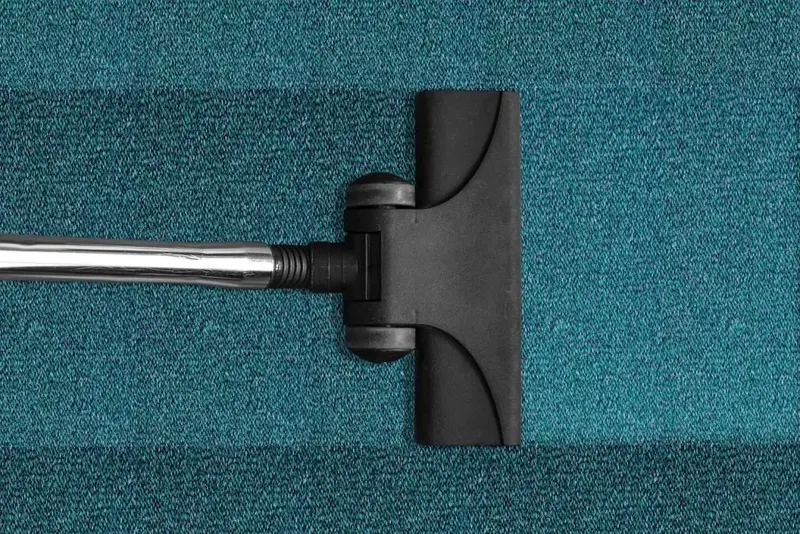
Dry soil is what ages carpet. Fine grit sinks through the pile to the backing and acts like sandpaper every time a foot presses on it, and the only thing that gets it out between professional cleans is a vacuum. Where and how often you run it matters more than most people think.
Follow the feet. The strip from the door to the sofa, the hallway and the bottom of the stairs want a pass every couple of days in a busy house. Bedrooms, the dining room and anywhere people rarely walk are fine once a week. Doubling up on the busy strips and easing off on the quiet rooms takes the same time as vacuuming everything the same.
Technique counts. Move slowly enough that the machine has time to pull from the bottom of the pile, overlap each pass by a few inches, and go over the lanes a second time at a right angle to the first. Set the brush height so it just touches the pile; too low and it stalls and frays the fibers, too high and it pulls nothing.
Look after the machine. Empty the bin when it is half full, wash or change the filter on the schedule the manual gives, and cut hair out of the brush roll with scissors. A vacuum that sounds fine can be moving very little air, and a full bag is the usual reason. Once in a while, run the crevice tool along the baseboards where the head cannot reach.
Stop the dirt at the door
Most of the soil in a carpet arrived on a shoe. A mat on each side of every door the family uses gives it two chances to come off before it reaches the carpet: a stiff, coarse mat outside to scrape the heavy stuff, and a softer, absorbent one inside to take the fine dust and any damp. Make the inside mat long enough for two full steps.
Think about which doors those are. In many homes the garage door sees more feet than the front door, and the door to the back yard sees the dog. Put the mats where the traffic is, not where they look best.
A dirty mat is just another patch of floor. Shake them out or vacuum them a couple of times a week, and wash the inside ones when they start to look like the carpet they were meant to protect.
The shoes-off question
Taking shoes off at the door does more for carpet than any product you can buy. Shoes carry grit, oil from parking lots and whatever the sidewalk had on it, and every bit of that ends up in the pile. A house where shoes stop at the door needs the vacuum less and the professional clean less often.
Making it stick is the hard part. A bench to sit on, a basket for shoes and a pair of house shoes or slippers for each person in the family turn a rule into a habit. Guests can be given a pass; the family's shoes are the ones that cross the carpet hundreds of times a week.
Spills: the kit and the first five minutes
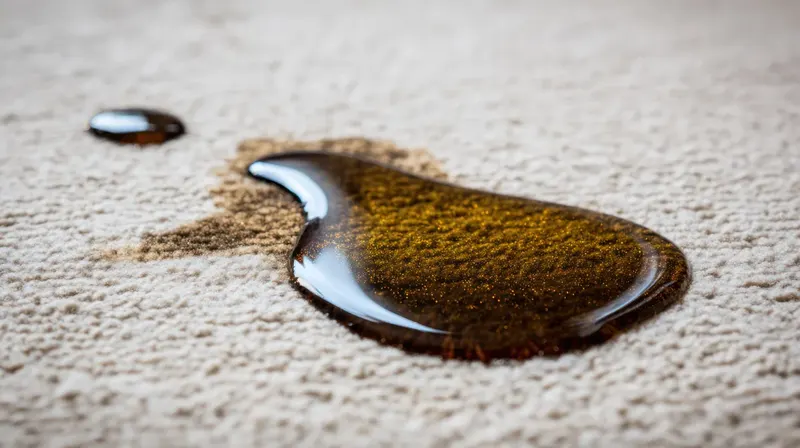
Keep a small kit where you can reach it in a hurry: a stack of plain white cotton towels, a spoon, a spray bottle of cool water, and a weight such as a heavy book in a plastic bag. That is all most spills need, and the first few minutes matter more than anything you could spray on later.
Lift the solids
Scrape up anything you can with the spoon, working from the edges in so the spill does not spread.
Blot, never rub
Press a dry white towel straight down, lift, and move to a dry part of the towel. Rubbing frays the pile and pushes the spill deeper.
Mist, then blot again
Lightly spray the spot with cool water and blot it up. Repeat until the towel comes up clean. A few sprays at a time is plenty.
Weight it overnight
Lay a dry folded towel over the damp spot and set the weight on it. By morning the towel will have pulled up what was left in the fibers.
Leave the scrub brush where it is, and keep heat away from the spot. Rubbing a stain works it into the fiber, and a hair dryer or an iron can set it for good. Oily spills, such as salad dressing or makeup, do not move with water at all; blot what you can and leave the rest for us.
What to keep off the carpet
Foaming spot sprays and carpet shampoos cause more of the spots we see than the spills did. They are built on detergents, and whatever is not rinsed out dries into a sticky film that holds onto every grain of dirt that lands on it afterward. The result is a spot that comes back darker than the carpet around it a few weeks after it was cleaned. If a spot keeps returning in the same place, residue is the likely reason.
Anything with bleach or labeled for whitening can take the color out of the fiber along with the stain, and there is no cleaning that puts color back. Oxygen-based boosters are safer but still need a thorough rinse. Too much water of any kind soaks the backing, and a spot that looked gone at night comes back by morning as the carpet dries.
Rental machines belong on the same list for most homes. They put a lot of soapy water into the carpet and get only part of it back out, so the carpet stays wet for a day and the soap stays behind for good. Our guide to DIY vs professional cleaning goes through that trade-off in detail.
Traffic lanes: slowing the gray
The gray path from the door to the kitchen is not just dirt. It is grit that has been ground against the fibers until the fibers themselves are scratched and dulled, and the oily soil that holds that grit in place. Running the vacuum over the lane twice as often as the rest of the room takes the grit out before it does its work, and the mats and the shoes-off rule cut what arrives.
Move the path when you can. Shifting a chair, an ottoman or a rug a foot or two sends people on a slightly different line and spreads the wear. A runner in a hallway takes the lane for the carpet and can be cleaned or swapped.
Timing is the part most people get wrong. A lane that is dull but intact blends back into the room once it is cleaned. A lane left until the pile is flattened and frayed comes out cleaner but still looks worn, because what is gone is fiber, not soil. When the lanes stay gray after a slow vacuum, that is the signal to book.
Furniture: rotate, lift and protect
Heavy furniture presses the pile flat, and a dent that sits for years can be permanent. Cups under the furniture legs spread the load, and nudging a sofa a few inches twice a year keeps a dent from setting. An ice cube left to melt in a fresh dent lifts most of them; brush the pile up with your fingers once it is dry.
Rearranging a room now and then does two things: it moves the traffic lane and it moves the furniture off the flattened patches. Lift pieces when you move them, since dragging a leg across carpet snags loops and tears fibers. Sunlight is the other slow enemy; drawing the blinds through the brightest part of the day keeps the carpet by the window the same color as the carpet under the sofa.
Pets and carpet
Dogs and cats add hair, dander and paw dirt every day, and the simplest fix is a towel by the door and a brush used outside. A washable throw over the spot the dog sleeps on takes the oil and the hair, and goes in the machine instead of into the carpet. Vacuum pet areas with a brush tool made for hair, and vacuum them more often than the rest.
Accidents call for the same blot-and-water routine, with one addition: skip any cleaner that contains ammonia, because the smell reads like urine to a cat and invites a repeat. If a spot keeps smelling after it dries, the urine has gone through into the padding, and a surface cleaner cannot reach it. Our pet stains and odors guide covers the first ten minutes step by step, and our pet treatment deals with the urine itself, deep in the carpet, and our 100% pet odor removal guarantee stands behind it.
When to call us
Habits stretch the time between professional cleans; they do not replace them. Book when the lanes stay gray after a slow vacuum, when a spot comes back a third time, or when the room smells of the dog no matter how often you vacuum. For most homes that is about once a year. A house with children or a dog tends to need it every six months. Our guide on how often carpets should be cleaned has the full reasoning.
When we come, the visit opens with a tour of the rooms alongside the technician, and the number goes on paper before any work begins. Nothing sticky stays in the fibers afterward, which is why a clean from us lasts about three times longer than one that leaves soap in the carpet, and the carpet is dry in about an hour. Every visit comes with the same promise we make everywhere: love the clean or it's free. Book online or call 205-438-9096.
Carpet care questions
How many times a week should carpet be vacuumed?
Vacuum the daily paths, the hallway and the route between the door and the sofa, every two or three days, and the quiet rooms once a week. Go slowly, overlap the passes and cross the lanes a second time at a right angle. A clean filter and a half-empty bin matter more than the brand of the machine.
What should be in a carpet spot-cleaning kit?
A stack of plain white cotton towels, a spoon for lifting solids, a spray bottle of cool water and a weight such as a heavy book in a plastic bag. White towels matter because a colored one can leave its own dye behind. That kit handles most fresh spills; anything oily, or anything that has already dried, gets blotted and left for the professional clean.
Do store-bought carpet foams really leave residue behind?
Yes. They are detergent-based, and whatever is not fully rinsed out dries into a sticky film that holds onto fresh dirt. That is why a spot cleaned with foam often comes back darker a few weeks later. If you have used one, mist the spot with plain water and blot repeatedly to lift what you can, then point it out to the technician at the next clean.
Does a shoes-off rule make a real difference to carpet?
A large one. Shoes bring in the grit that grinds fibers down and the oils that hold soil in the traffic lanes. A house where shoes stop at the door needs vacuuming less often and keeps a professional clean looking fresh longer. A bench, a shoe basket and house shoes for everyone make the rule easy to keep, and guests can be given a pass.
What can I do about a traffic lane that is starting to look gray?
Give it twice the vacuuming the rest of the room gets, slowly and in two directions, and put mats at the door it leads from. Shift a chair or a rug so the path moves a little. Then book a clean while the lane is dull but the pile is still intact; cleaned at that stage it evens out with the room, and left too long the fibers themselves wear down and no cleaning restores them.
Satisfaction guaranteed on every visit.
Low-moisture deep clean, dry in about an hour · Love the clean or it's free.